The Difficult Fiat: Trusting God in the Waiting and the Welcoming
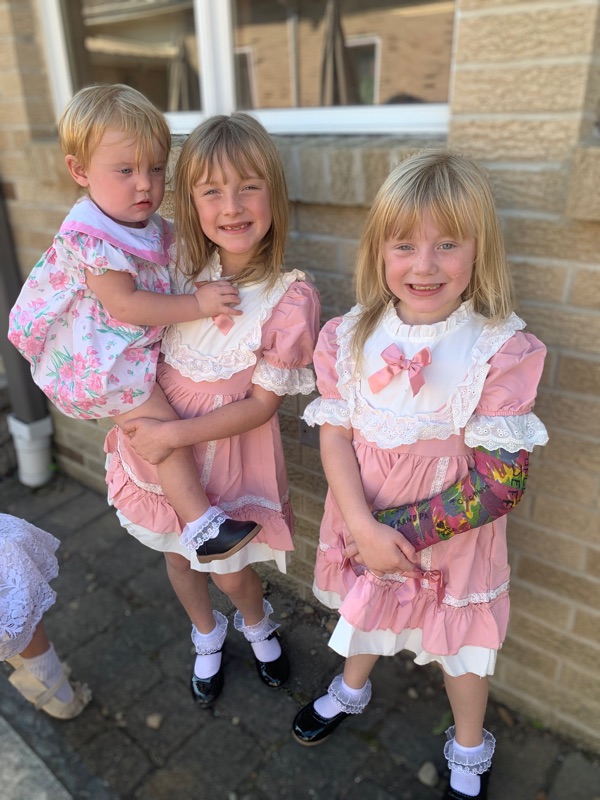
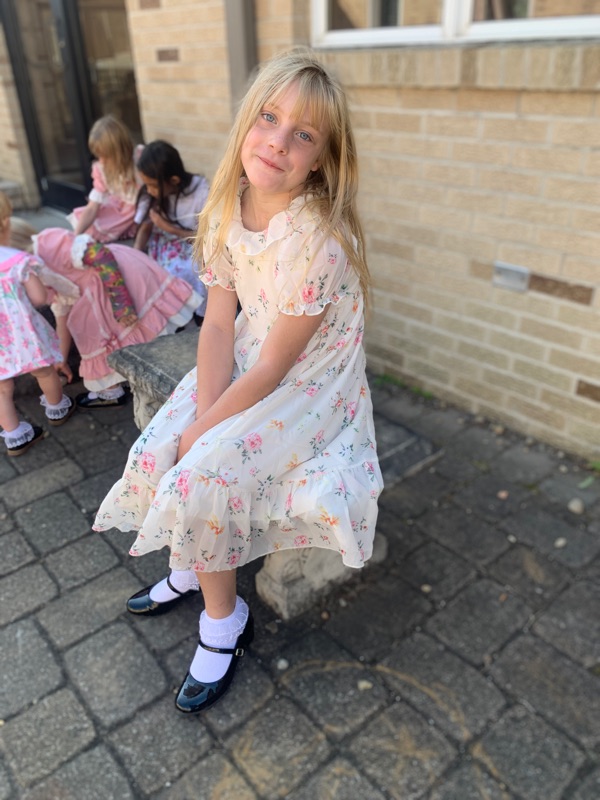
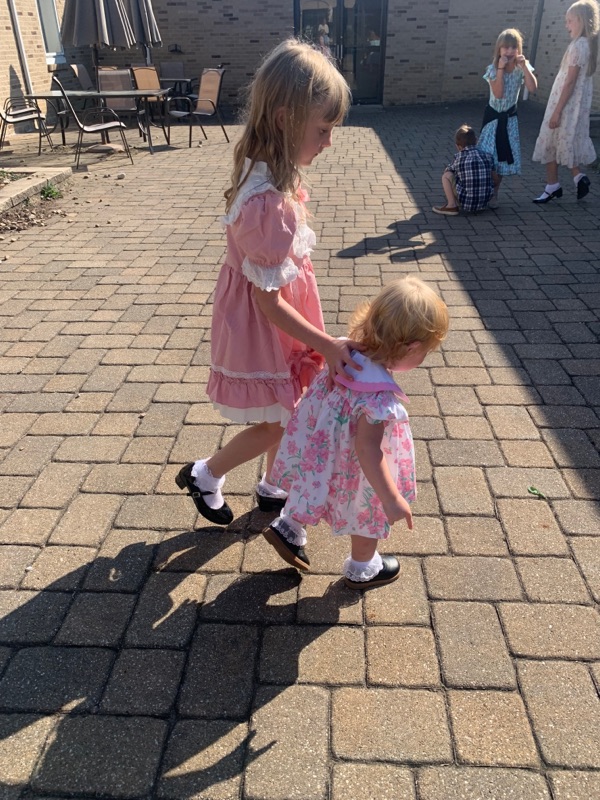
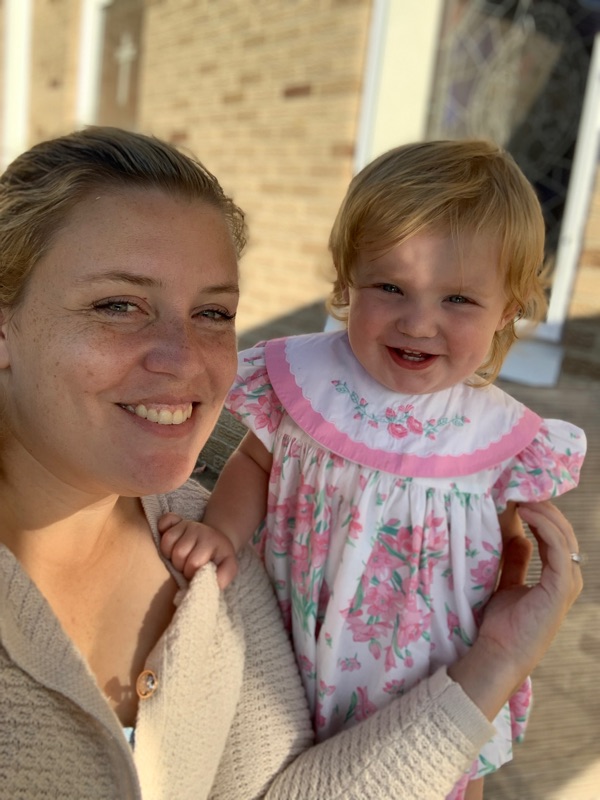 I am a Catholic wife and a mother to five beautiful children. I love the chaos, I love the noise, and I hold the theology of the abundant life deep in my heart. My life is a testament to God's immense generosity, a life filled with souls destined for heaven, and I wouldn't trade it for the world.
But let’s be real: embracing the call to be open to life isn't always a joyful leap; sometimes, it’s a measured, prayerful step. For me, that measurement is tied directly to my health. Having walked through the valley of postpartum anxiety and depression, I know that my duty to my existing children—and to my marriage—includes safeguarding my own sanity and strength.
This is why my husband and I rely on the Church-approved abstinence method to space our children. This is not about building a fence around God’s will or attempting to exert absolute control. It is about responsible stewardship—taking prudent care of the health and well-being of the whole family, and recognizing that my body needs time to heal so that I can be a present, healthy mother to the souls already entrusted to me. Our spacing is a deliberate, prayerful pause, done with the unwavering intention of remaining open to God’s generous call in good time.
The Church Encourages Prudence
In a world that often demands we either be totally reckless or totally controlled, the Church holds a beautiful, balanced path. Our decision to use NFP for a serious reason is a mature, responsible act within the faith. It acknowledges the difficulties of life while affirming that every act of love must remain life-giving.
Pope Paul VI offers the permission, the framework, and the deep understanding that we need:
“If therefore there are reasonable grounds for spacing births, arising from the physical or psychological condition of husband or wife, or from external circumstances, the Church teaches that married people may then take advantage of the natural rhythms immanent in the reproductive system to regulate birth without offending the moral principles which have been recalled earlier. In this way, married couples are following the path of conjugal chastity, and are not at all being negligent in their duty of raising up offspring.” (Humanae Vitae, 16)
This passage has become a source of peace for me. It confirms that my duty to my children includes my own psychological well-being. My current 'yes' to God is in the discipline of chastity within marriage—to love my husband, to accept our shared responsibility, and to prepare our home for the next soul that God may send, whenever He judges the time is right.
Resting in the Generosity of God’s Plan
The "waiting" period is always the hardest. It's easy to worry, to obsess over what might happen, or to feel the strain of self-discipline. But the waiting itself is a form of surrender. I am learning that God’s plan is always more generous than my own, and it is certainly not dependent on my perfectly curated emotional state.
In those moments when my heart is restless, I turn to the simple, powerful poem by St. Teresa of Ávila, which reminds me where my true security lies:
“Let nothing disturb you, Let nothing frighten you, Everything passes away: God never changes. Patience obtains all things. Whoever has God lacks nothing; God alone suffices.”
This is the deeper Fiat: the surrender of control. I may not be able to control my hormones or the challenges of five kids, but I can control where I place my hope. God alone suffices—not my perfectly curated plan, not my emotional equilibrium, but Him. Our trust in Providence must extend beyond our capacity to provide financially and include our trust in His capacity to sustain us emotionally and physically.

The Radical Value of Every Soul
What motivates us to endure the self-discipline, the anxiety, and the constant giving of self, is the staggering dignity of the people we are raising. Sometimes, I get lost in the laundry piles and the tantrums and forget that I am not just a logistical manager; I am co-creating possible "gods and goddesses," as C.S. Lewis puts it.
When the mental load feels unbearable, I try to remind myself of the high stakes and the eternal perspective that makes this temporary struggle worthwhile:
“The load, or the weight, or the burden of my neighbor's glory should be laid daily on my back, a load so heavy that only humility can carry it, and the backs of the proud will be broken. It is a serious thing to live in a society of possible gods and goddesses, to remember that the dullest and most uninteresting person you talk to may one day be a creature which, if you saw it now, you would be strongly tempted to worship... It is a serious thing that we shall never meet a mere mortal.” (The Weight of Glory, C.S. Lewis)
My little ones are not "mere mortals." They are souls of immense, shocking value, and the next soul God calls us to welcome will be just as worthy of our total self-gift.
An Invitation to Generosity
The world tells us that children limit our lives. The Church, in its wisdom, tells us that children expand them—they are the most vital way we participate in God’s creativity and store up treasure in heaven.
For every Catholic wife and mother, I urge you to look past the cultural fear and trust in the lavish generosity of God. He knows your health concerns, your finances, and your capacity better than you do, and He will not call you to a life you cannot sustain.
Trust your Fiat. Trust that the next precious soul He sends will carry its own grace. Your home, no matter how chaotic, is a launchpad for saints, and there is no more important work in the world.


Comments
Post a Comment